Professional AV Equipment Sales • Nationwide AV Design, Integration & Support | Creation Networks
Creation Networks — nationwide AV experts since 2006. Professional audio-visual equipment sales, AV system design, integration, and support for video conferencing, control systems, audio, and displays.
Top Featured AV Products (156 products)
These are the products Creation Networks' own integration teams specify most often. Not a best-seller list pulled from order volume — the gear our engineers reach for when designing conference rooms, boardrooms, training spaces and control rooms, because it works and because we support it after the install.
The range centres on four platforms: QSC Q-SYS for audio, video and control; Shure for conferencing microphones and wireless; Cambridge Sound for sound masking; and Crestron for control and wireless presentation.
Q-SYS: start with the Core, then the licences
A Q-SYS system is built around a Core processor, and the Core you pick sets the ceiling on everything after it.
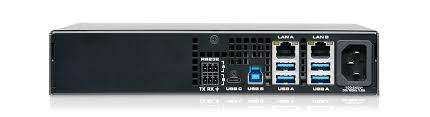
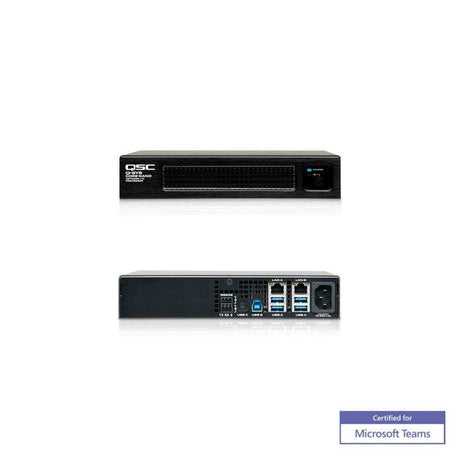
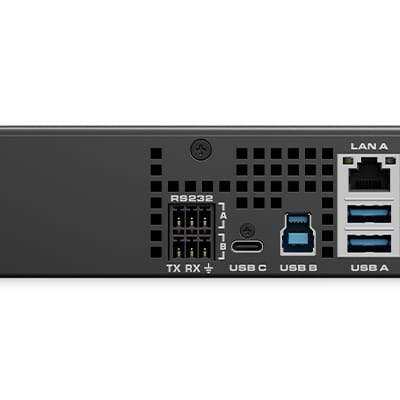
Core Nano — smaller spaces, network-only I/O. The right starting point for a single huddle or meeting room.
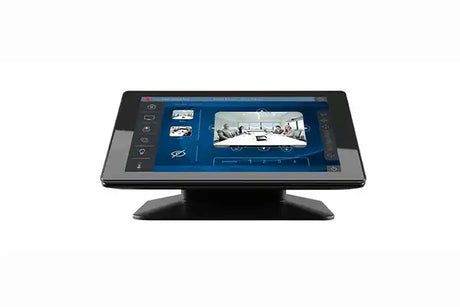
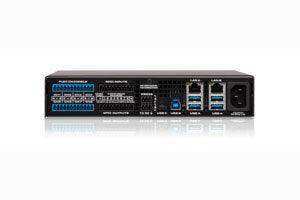
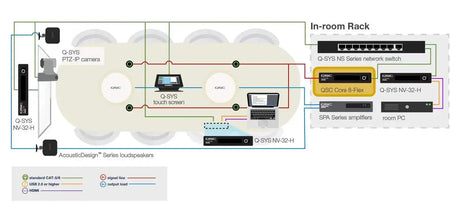
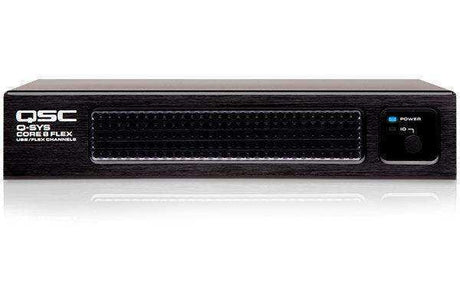
Core 8 Flex — network plus analogue I/O, for rooms with legacy sources or local speakers to drive.
Core 24f — the next-generation processor for larger rooms and multi-room designs.
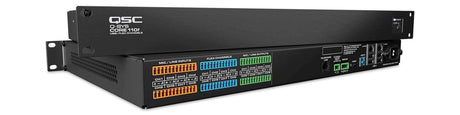
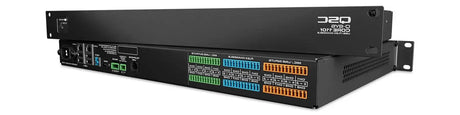
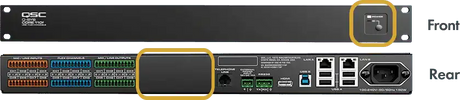
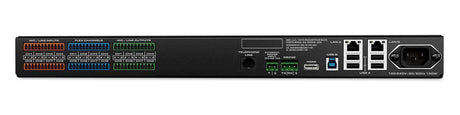
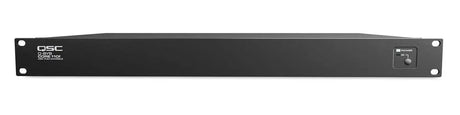
Core 110f V2 — still listed, now end of life. Specify a Core 24f or Core 8 Flex on new designs.
Licences are a separate line item and they are not optional. UCI Deployment licences enable touch-panel user interfaces, Scripting Engine licences enable Lua control code, and Dante licences are sized by channel count — 8x8, 16x16, 32x32 or 64x64. A Core quoted without the licences it needs will not do what the design says it does, and that surfaces at commissioning rather than at order.
Licences are also Core-specific. An SLQUD-110-P fits a Core 110f; an SLQUD-8N-P fits a Core Nano or Core 8 Flex. Check the part number against the Core.
Ceiling microphones and conferencing audio
The Shure MXA920 ceiling array covers a typical conference room from the ceiling, with steerable coverage that follows where people actually sit rather than where the table was drawn. The IntelliMix P300 handles the DSP side — echo cancellation, noise reduction and automixing — for rooms that do not warrant a full Q-SYS Core.
The decision between a Shure P300 and a Q-SYS Core is usually about scope. One room with a fixed layout, P300 is simpler and cheaper. Several rooms, or control and video in the same system, the Core earns its cost.
Sound masking is specified by coverage, not by product count
Cambridge Sound Qt emitters are sized by area and ceiling construction, not by headcount. A controller drives zones; emitters distribute the masking sound. Getting the emitter spacing right is what makes masking disappear into the background — badly spaced emitters produce audible hot spots and the system gets switched off.
Many Qt controllers are TAA compliant, which matters on federal work. See sound masking for the full range.
Control: Crestron or Q-SYS
Both do the job. The practical question is what the estate already runs — a building standardised on Crestron 4-Series and XiO Cloud should stay there; a new build with Q-SYS audio should usually keep control on the same platform rather than adding a second system to maintain.
Crestron AirMedia and Q-SYS both handle wireless presentation. See wireless collaboration for how that decision splits.
Why buy these from Creation Networks
We are a CTS-D certified integrator, not a catalogue reseller. We have designed, installed and commissioned more than 5,000 AV systems nationwide since 2006 for corporate, government, education, healthcare and worship clients — including FEMA, Disney, Netflix, Cisco and Raytheon.
That matters on this page specifically, because most of these products are part of a system rather than a standalone purchase. If you tell us the room, we will tell you what else the design needs — including when the answer is a cheaper product or none at all.
Six active CMAS contracts; SAM.gov UEI XMRUL5PM8K37. TAA compliance is verified per part number before quoting.
Answers on specifying Q-SYS, conferencing audio, sound masking and control — the questions that come up before these products get ordered.
What is Q-SYS?
Q-SYS is QSC's networked platform that handles audio processing, video routing and room control on one system, built around a Core processor. It replaces separate DSP, video switching and control hardware with a single programmable platform.
Which Q-SYS Core do I need?
Core Nano for a single smaller room with network-only I/O. Core 8 Flex where analogue inputs or outputs are needed. Core 24f for larger rooms or multi-room designs. The Core sets the ceiling on channel count, so size it for the finished system rather than the first room.
Do I need a separate licence for Q-SYS?
Usually yes. UCI Deployment licences enable touch-panel interfaces, Scripting Engine licences enable Lua control code, and Dante licences are sized by channel count. These are separate part numbers from the Core and are not optional if the design uses those features.
Are Q-SYS licences interchangeable between Cores?
No. Licences are Core-specific — an SLQUD-110-P fits a Core 110f, an SLQUD-8N-P fits a Core Nano or Core 8 Flex. Check the part number against the Core before ordering.
Is the Core 110f still available?
The Core 110f V2 is end of life. It remains listed for existing estates needing a match, but new designs should specify a Core 24f or Core 8 Flex.
What does a ceiling array microphone do that a table mic does not?
A ceiling array like the Shure MXA920 covers the room from above with steerable pickup, so there is nothing on the table to be moved, knocked or unplugged. Coverage follows where people sit rather than where the microphone was placed.
Do I need a Shure P300 or a Q-SYS Core?
It depends on scope. For one room with a fixed layout, the P300 handles echo cancellation, noise reduction and automixing more simply and cheaply. For several rooms, or where control and video share the system, a Q-SYS Core is the better investment.
What is AEC and why does it matter?
Acoustic echo cancellation stops the far end hearing their own voice returned through the room's speakers and microphones. Without it a conference call is unusable. It is handled by the DSP — a P300 or a Q-SYS Core.
What is sound masking?
Sound masking adds a low-level engineered background sound that raises the ambient floor, so nearby speech becomes unintelligible rather than silent. It improves speech privacy in open offices and waiting areas without making the space feel dead.
How many emitters do I need?
Emitter count follows floor area and ceiling construction, not headcount. Spacing is what makes masking work — badly spaced emitters create audible hot spots and the system ends up switched off. Creation Networks calculates coverage from the floor plan.
Is Cambridge Sound equipment TAA compliant?
Many Qt controllers and emitter kits are. TAA status is determined per part number by country of manufacture, so we verify it line by line before quoting and supply country-of-origin documentation.
Should I use Crestron or Q-SYS for room control?
Both do the job. If the estate already runs Crestron 4-Series and XiO Cloud, stay there. On a new build where the audio is Q-SYS, keeping control on the same platform avoids maintaining two systems.
Can I buy these on a government contract vehicle?
Yes. Creation Networks holds six active CMAS contracts and is registered in SAM.gov under UEI XMRUL5PM8K37, so federal, state, county and municipal work can be placed through a contract vehicle.
Will you tell me if I am ordering the wrong thing?
Yes. Most of these products are part of a system rather than standalone purchases. Tell us the room and we will confirm what else the design needs — including when the answer is a cheaper product or nothing at all.
Do you install and commission what you sell?
Yes. CTS-D certified, nationwide, since 2006 — design, installation, programming, commissioning, training and ongoing support. See AV professional services.
Nationwide Audiovisual Services, Design, Installation & Support
Creation Networks is a trusted nationwide partner for complete audiovisual solutions — delivering expert AV system sales, professional design, programming, installation, and ongoing support to organizations across the United States.
From Microsoft Teams Rooms and enterprise video conferencing to LED video walls, live streaming production, and hybrid collaboration systems, we provide end-to-end AV integration using premium, certified technology from industry leaders including Crestron, Q-SYS, Shure, Extron, and Absen.
Whether you operate a single location or manage facilities nationwide, Creation Networks ensures your AV systems are designed for reliability, scalability, security, and long-term performance — helping your organization communicate more effectively and operate at peak efficiency.
CREATION NETWORKS — A PARTNER YOU CAN TRUST SINCE 2006