Q-SYS by QSC — Integrated Audio, Video & Control Platform
Q-SYS is QSC's software-based, networked AV platform — a single Core processor handles audio DSP, video routing, conferencing, and room control together, instead of stacking a separate audio processor, video switcher, and control system in the same rack. Creation Networks stocks the current Q-SYS hardware line, from the Core Nano through enterprise-scale Core 5200 processors, plus NV Series AV-over-IP, NC Series conference cameras, CX-Q network amplifiers, and TSC touch controllers. For SKU selection and pricing, contact us through creationnetworks.net.
Q-SYS Core Processor Comparison
| Core Processor |
Best For |
Form Factor |
| Core Nano |
Huddle rooms and small conference rooms |
Compact, network-only I/O |
| Core 8 Flex |
Small-to-medium rooms needing local analog I/O plus network |
Half-rack, network + analog |
| Core 510i |
Mid-size rooms and multi-room buildings needing card-based I/O |
1RU, modular I/O cards |
| Core 5200 |
Enterprise deployments across many rooms or a large facility |
Rack-mount server-class |
| Server Core X50r |
The largest, highest-channel-count installations |
X-Class high-capacity server |
Core Processors
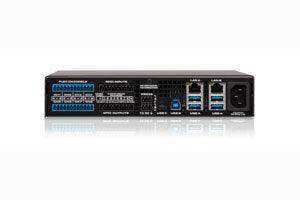
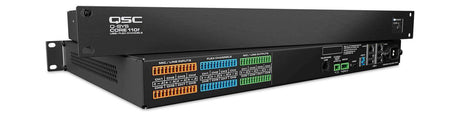
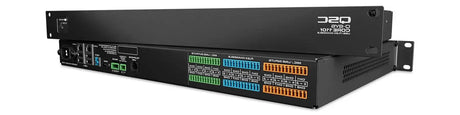
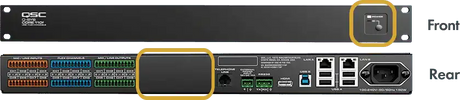
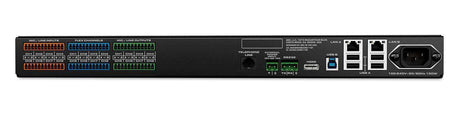
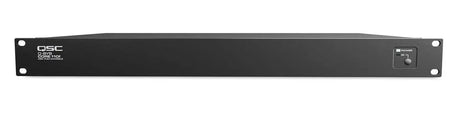
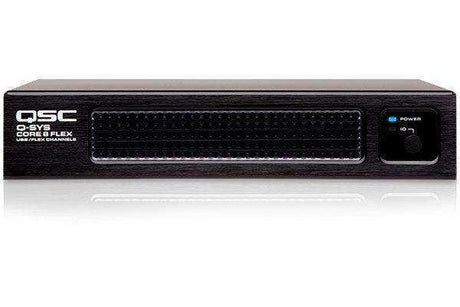
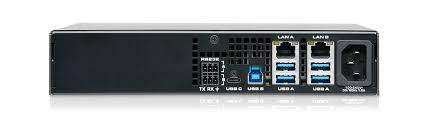
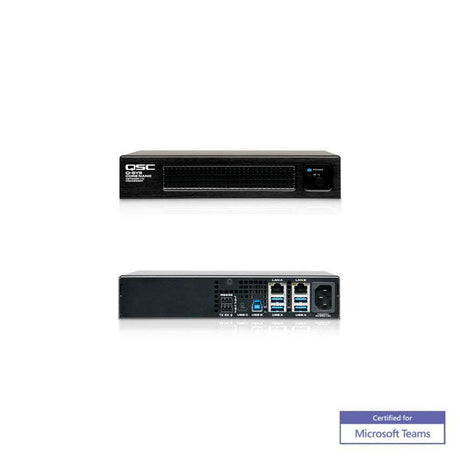
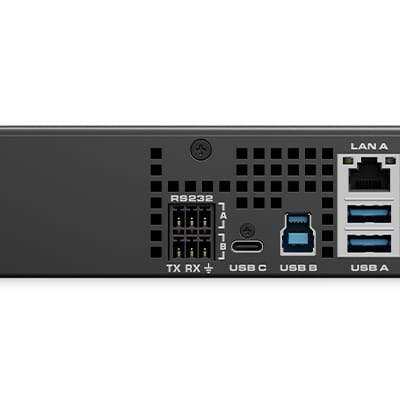
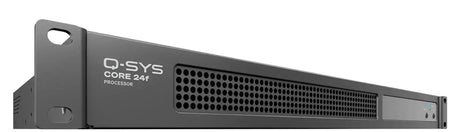
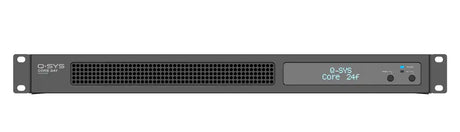
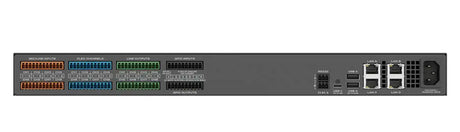
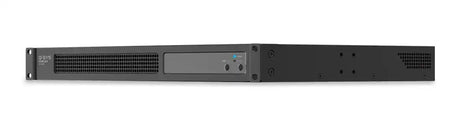
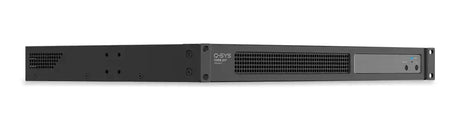
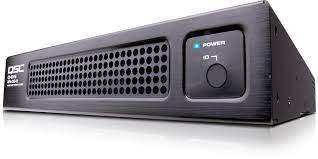
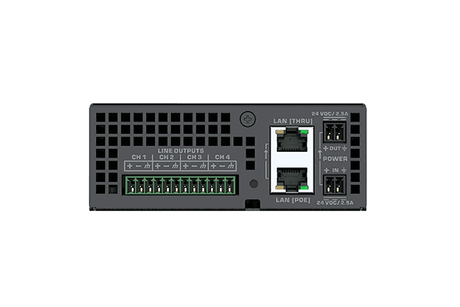
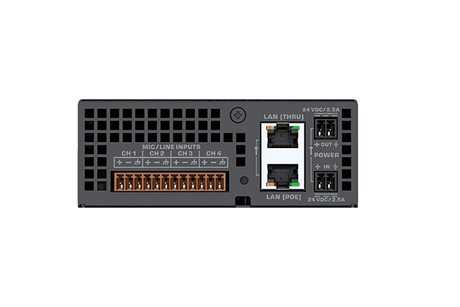
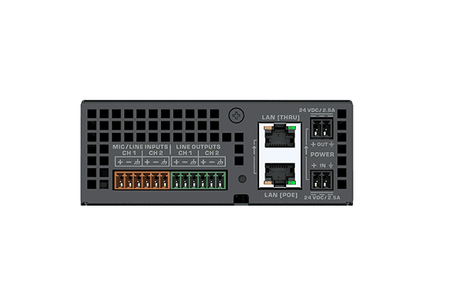
Every Q-SYS device on the network is driven by a Core processor running Q-SYS OS — the same software platform scales from a single huddle room up to an entire building. In stock: the Core Nano for small spaces, the Core 8 Flex for rooms needing local analog I/O alongside the network, the Core 510i Kit with modular I/O cards — including CIML4 mic/line input cards, COL4 line output cards, and CAES4 digital I/O cards — plus the enterprise-scale Core 5200 and the high-capacity Server Core X50r.
NV Series — AV-over-IP Video
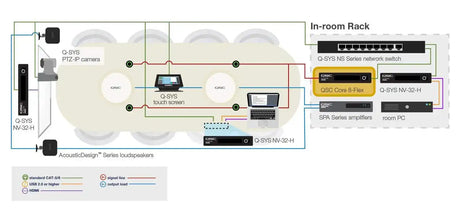
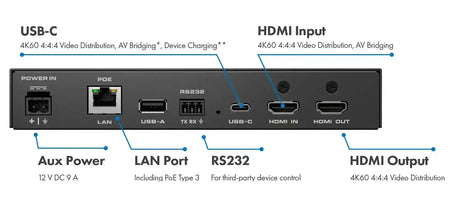
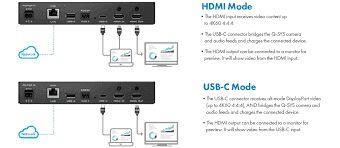
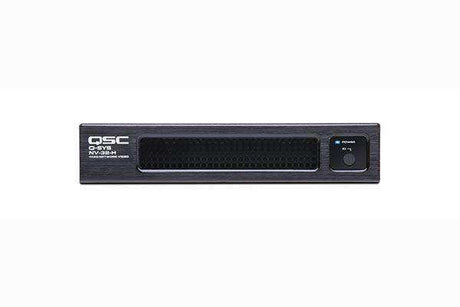
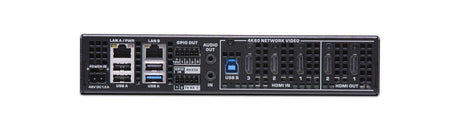
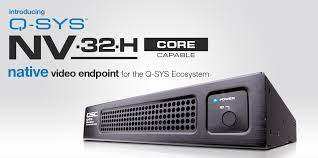
NV Series endpoints move 4K video over standard network infrastructure instead of dedicated HDMI-over-CAT runs, and integrate directly with Q-SYS Core processing rather than sitting as a separate system. The NV-32-H handles 4K60 4:4:4 video and can run Core-capable processing locally, while the NV-21-HU adds a USB-C connection for bringing a laptop's video and audio into the Q-SYS ecosystem at a huddle-room table.
NC Series — Conference Cameras
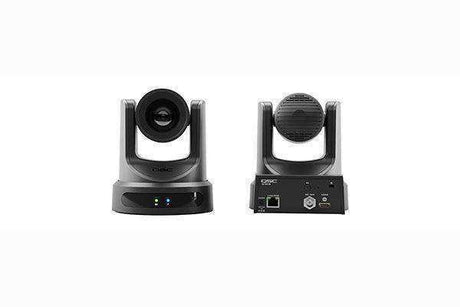
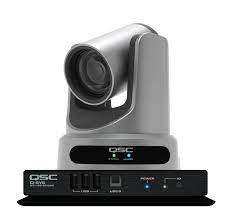
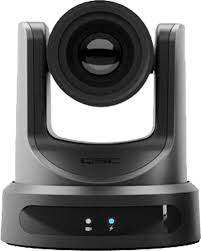
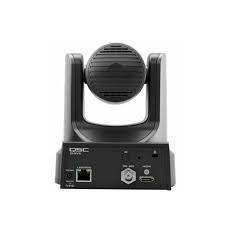
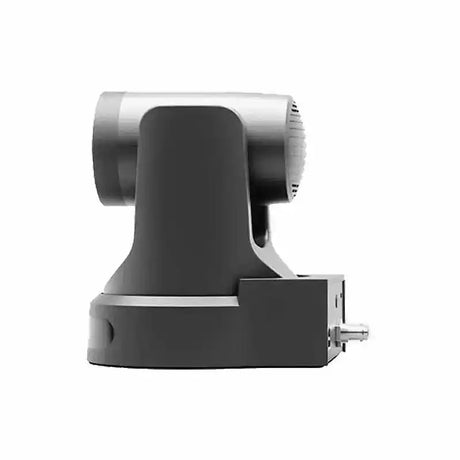
Q-SYS conference cameras route directly into Core processing over the network, rather than connecting as a standalone USB peripheral. Options in stock include the NC-110 ePTZ camera for small and medium rooms, the NC-12x80 with 12x optical zoom for larger rooms, and the NC-20x60 with 20x optical zoom for auditoriums and large boardrooms, along with a ceiling mount bracket for either PTZ model.
CX-Q Network Amplifiers
CX-Q amplifiers are Q-SYS-native network peripherals — no separate DSP or control wiring, since amplifier channels, levels, and monitoring are all managed from the same Q-SYS design as everything else in the room. The lineup in stock covers CX-Q 2K4, CX-Q 4K4, CX-Q 8K4, CX-Q 4K8, and CX-Q 8K8, scaling from four channels at 500W to eight channels at 1000W per channel.
TSC Touch Screen Controllers
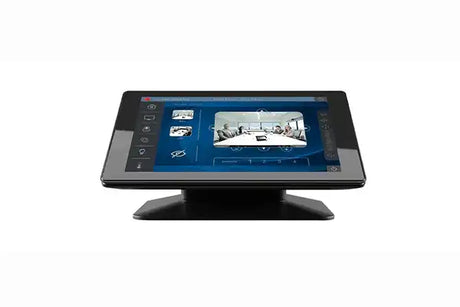
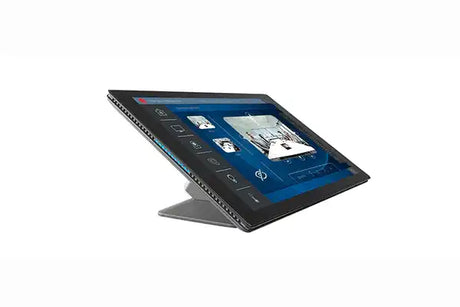
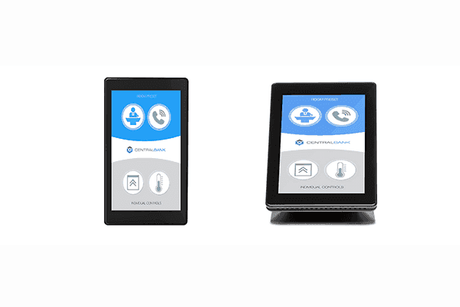
PoE-powered capacitive touch panels for room control, scheduling, and one-touch meeting start — sized for different mounting locations. In stock: the TSC-50-G3 (5"), TSC-70-G3 (7"), and TSC-101-G3 (10").
The Q-SYS Software Platform
What separates Q-SYS from a rack full of separate boxes is the software layer underneath the hardware:
-
Q-SYS Designer Software — drag-and-drop system design and programming with no per-seat license fee, so a system can be designed, simulated, and updated without buying additional software.
-
Q-SYS Open — a set of standard protocols and developer tools that let third-party devices and custom scripts integrate directly into a Q-SYS design instead of bridging in through a separate control system.
-
Q-LAN — the audio-over-IP networking layer that moves audio between Q-SYS devices over standard gigabit Ethernet.
-
Q-SYS Reflect — cloud-based remote monitoring and fleet management across every Q-SYS Core on the network, useful for organizations managing rooms across multiple buildings or sites.
How to Choose a Q-SYS Core Processor
-
Room count and scale — a single huddle room needs a Core Nano; a building with dozens of rooms on one network is a Core 5200 or Server Core X50r conversation.
-
Local analog I/O needs — if a room has existing analog microphones, speakers, or a paging system to integrate, Core 8 Flex or Core 510i with I/O cards keep that hardware in play; a network-only Core Nano assumes everything is already networked audio.
-
Video requirements — rooms moving 4K video over the network alongside audio and control call for NV Series endpoints paired with the Core rather than a separate video matrix.
-
Multi-site management — organizations with rooms across several locations benefit from Q-SYS Reflect for centralized monitoring rather than managing each Core individually.
-
Growth plans — Q-SYS Cores can be networked together as a facility grows, so starting with the right processor for current needs (rather than over-buying) is usually the more practical path.
Why Creation Networks for Q-SYS
Our CTS-D certified engineers design Q-SYS systems in Q-SYS Designer before installation — signal flow, control logic, and camera/microphone placement planned against your actual room dimensions, not assembled on-site from a parts list. We handle Core processor selection, I/O card configuration, programming, commissioning, and ongoing support, including setting up Q-SYS Reflect monitoring for organizations managing systems across multiple rooms or locations.
Frequently Asked Questions
Is Q-SYS the same thing as QSC?
QSC is the manufacturer; Q-SYS is QSC's networked AV platform — the Core processors, software, and peripheral hardware that make up the ecosystem. QSC also makes separate loudspeaker and amplifier product lines outside the Q-SYS platform.
What's the difference between the Q-SYS Core processors?
They scale by capacity and I/O type: Core Nano handles small, network-only rooms; Core 8 Flex adds local analog I/O; Core 510i uses modular I/O cards for mid-size rooms and buildings; Core 5200 and Server Core X50r are built for enterprise-scale, multi-room, high-channel-count deployments.
Does Q-SYS require a separate control system?
No. Room control, scheduling, and one-touch meeting start are built into the Q-SYS Core and managed through Q-SYS Designer and TSC touch controllers, without a separate third-party control processor.
Can Q-SYS integrate with Microsoft Teams Rooms and Zoom Rooms?
Yes. Q-SYS NV Series video endpoints and NC Series cameras are used in certified Teams Rooms and Zoom Rooms configurations, with the Core handling audio DSP and room control alongside the conferencing platform.
Do you provide Q-SYS system design and programming?
Yes. We handle Core processor selection, signal flow design in Q-SYS Designer, programming, installation, commissioning, and ongoing support, including Q-SYS Reflect setup for multi-room and multi-site deployments.